
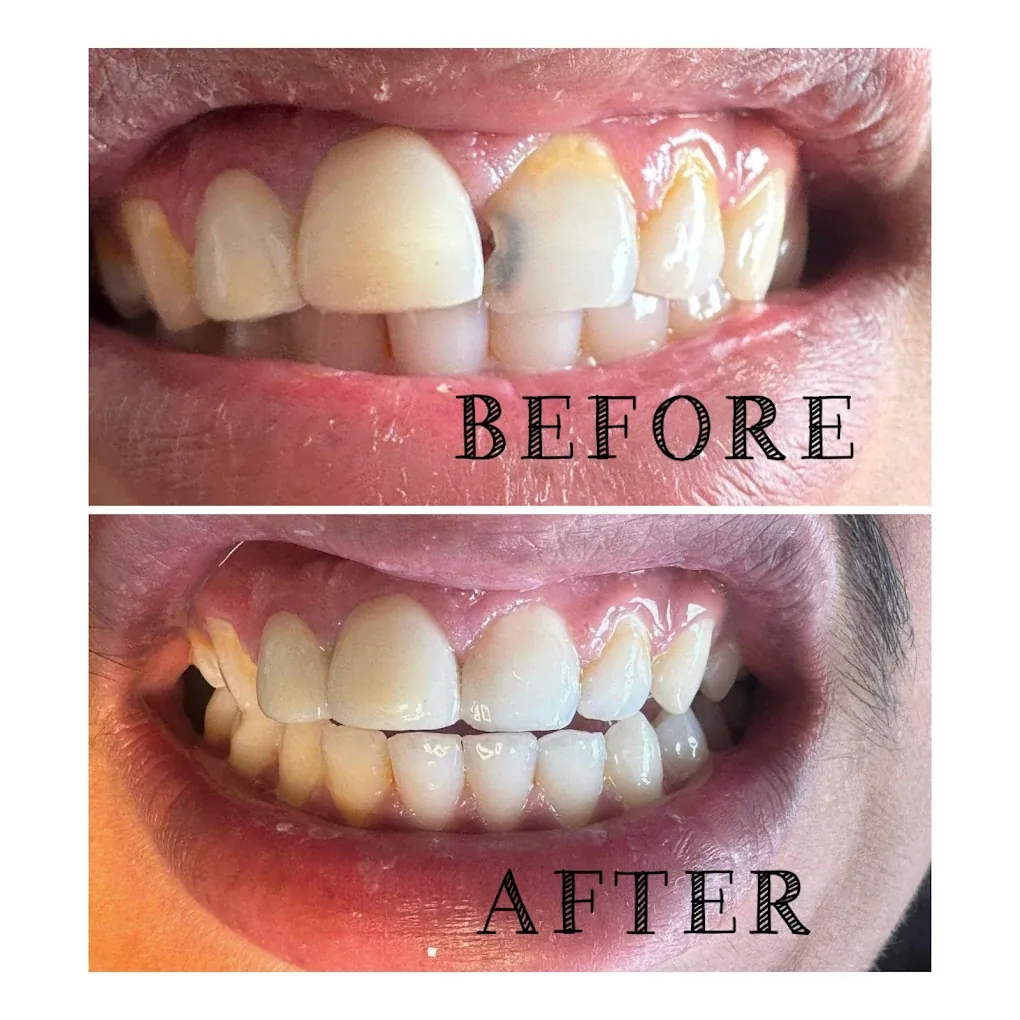
Activated charcoal toothpaste has been marketed hard on the promise of natural whitening. The mechanism is straightforward, and so is the problem with it.
How it appears to work
Charcoal is abrasive. Scrubbing with an abrasive removes the film of surface stain from coffee, tea, tobacco and turmeric, so teeth do look brighter at first. That is genuine, and it is why people become convinced by it in the first two weeks.
But it is only removing extrinsic stain sitting on the surface. It does not change the intrinsic colour of the tooth at all — the shade of the dentine underneath, which is what actual whitening addresses.
Why it backfires
Enamel does not regenerate. Abrasive products used daily wear it away slowly and permanently. Underneath the enamel is dentine, which is naturally yellow. So the long-term result of aggressive abrasive whitening is teeth that are more yellow, not less, because you have thinned the white layer covering the yellow one.
Thinned enamel also brings sensitivity, a higher decay risk, and rougher surfaces that pick up stain faster — which tempts people to scrub harder still.
The other problems
- Most charcoal toothpastes contain no fluoride, so users lose their main daily protection against decay. This is arguably the bigger risk.
- Charcoal particles lodge in gum margins, around fillings and in the grooves of crowns, showing as dark specks.
- It does not whiten fillings, crowns or veneers, so restorations end up mismatched.
- Abrasivity is often undeclared. The RDA value that measures it is rarely printed on the pack.
Reviews in the dental literature have been consistent: there is insufficient evidence to support charcoal dentifrices as safe or effective, and several professional bodies advise caution.
What to do instead
If teeth look dull from surface staining, a professional scaling and polish removes it properly in one visit without abrading enamel. If the teeth themselves are genuinely darker than you want, professional whitening changes the intrinsic shade using peroxide chemistry, under controlled concentration and contact time.
Day to day, use a normal fluoride toothpaste, rinse with water after tea, coffee or turmeric rather than brushing immediately, and wait an hour after anything acidic before brushing.
If you like using it anyway
Occasional use — once or twice a week — alongside a proper fluoride toothpaste the rest of the time is unlikely to cause meaningful harm. Daily use as your only toothpaste is the pattern that causes the damage we see.
Frequently asked questions
Does charcoal toothpaste actually whiten teeth?
It removes surface stain by abrasion, which looks like whitening at first. It does not change the tooth's intrinsic colour, and long-term use thins enamel and exposes the yellower dentine underneath.
Is charcoal toothpaste bad for enamel?
It can be. Enamel does not regrow, so daily use of an abrasive product wears it permanently. Most charcoal pastes also lack fluoride, removing your main daily protection against decay.
Why do my teeth look more yellow after using whitening toothpaste?
Because abrasion has thinned the white enamel layer, letting the naturally yellow dentine beneath show through more. It is the opposite of the intended effect.
What is the safest way to whiten teeth?
A professional scaling and polish for surface stain, and supervised peroxide whitening for intrinsic shade. Both are controlled, and neither works by removing tooth structure.
Talk to a dentist in Dehradun
Abrasion removes stain by removing enamel, and enamel does not grow back. If you would like this looked at, it is what we do every day at Vital Dental Care & Implant Center, Haripuram Colony, 2 GMS Road, Engineers Enclave, Kanwali, Dehradun, Uttarakhand 248001 — close to Vasant Vihar, Kamla Palace, Chaman Vihar, Majra and Niranjanpur (how to reach us).
- Consulting hoursSunday to Friday, 10:00–14:00 and 16:00–20:00. Closed Saturday.
- Treating dentistDr. Pragati Singh, B.D.S., M.D.S. — Endodontist
- Appointments92868 98353 or WhatsApp
Related: Why teeth go yellow, professional whitening, scaling and polishing.